Taking a classic cookie to new heights

chocolatechipcookies090113

As I’ve said before, one of the most challenging things about moving to high altitude is that I can no longer make many of my favorite recipes as I used to and have them turn out the same. Cakes collapse and cookies spread out. Unfortunately, it also happens with chocolate chip cookies. Until last week, I still hadn’t figured out the best recipe for those classic cookies. I tried about six different recipes, including one intended for high altitude, all of which spread out or didn’t rise as I’d hoped they would. I’d had enough of that. They’re simple chocolate chip cookies, after all. So, I decided to figure out how to do it myself.

South Lake Tahoe is around 6,230 feet in elevation. A few things I’ve learned about baking at high altitude are that you need to reduce most leaveners (baking powder, baking soda) by about a half teaspoon, the salt needs to be increased, and extracts can also be increased. Cake batters tend to need to be wetter than usual, and things like brownies and cookies need a bit more flour than usual to keep from collapsing or spreading out too much. Sometimes baking at a lower or higher temperature makes a big difference, too, and things don’t brown as well as they do at sea level.

I opened up the Joy of Cooking to see what its guidelines for regular chocolate chip cookies called for, then made a bunch of adjustments based on these lessons. I increased the flour quite a bit, and turned the oven down by 25 degrees F. I kept a close eye on these cookies during the baking process and, voila, I finally came up with a chocolate chip cookie that is functional at high altitude. Believe it or not, finally getting this basic recipe down feels like a big win at this point. This will be the recipe I use going forward.

Ingredients
1/2 cup (1 stick) butter
1/2 cup sugar
1/2 cup light brown sugar
1 egg
1/2 teaspoon salt
2 teaspoons Mexican vanilla extract
1 1/3 cups flour
1/4 teaspoon baking soda
1 cup chocolate chips

Preheat oven to 350 degrees F. Line two baking sheets with parchment paper.

In a large bowl, combine butter and sugars. Butter should be at room temperature if you’re stirring by hand, but can be cold if using a stand mixer. Add egg, salt and vanilla. Stir until combined. Add flour and baking soda and stir until incorporated. Add 1 cup chocolate chips and stir until evenly distributed.

Shape dough into 1-inch balls. Place 18 on each baking sheet. Bake each sheet individually for 11 minutes, or until edges of cookies are golden brown, for firm cookies; or bake for 8-9 minutes, until puffy, for softer cookies and let cool completely before serving. Makes about 40 small cookies.

Pulled pork provides a variety of options

pulledpork1

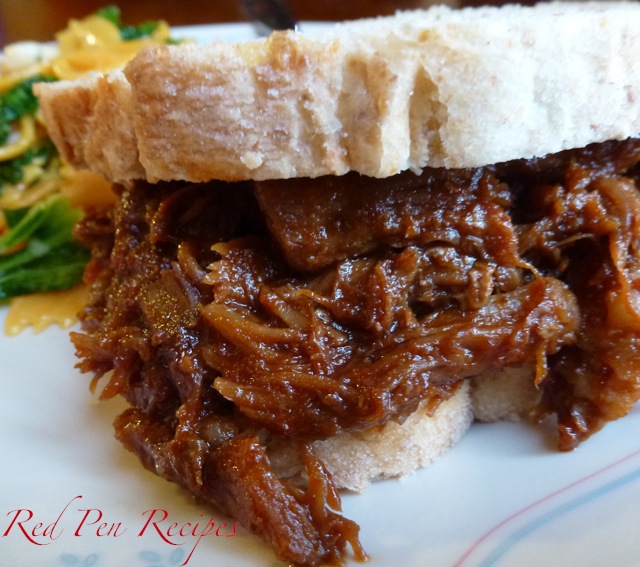
Once in a while, it’s nice to have some type of meat in the fridge to play with. I bought a round of pork shoulder the last time I went grocery shopping and, instead of roasting it and serving it with vegetables and I had initially intended, I slow-cooked it and turned it into pulled pork.

pulledpork2I turned to “The Joy of Cooking” for the guidelines for cooking pulled pork. If you’re going to be home for a few hours, put in the oven and just let it do its thing.

The great thing about pulled pork is that you can do a variety of things with it. You can cover it in barbecue sauce and toss it on a roll or make a sandwich out of it. You can use it to make tacos. Or, you can just eat it by itself. I like that flexibility.

Ingredients
2- to 3-pound round of pork shoulder or butt
2 tablespoons olive oil
Salt
1 cup barbecue sauce

pulledpork3Preheat oven, with a dutch oven inside, to 325 degrees F. Once it’s heated, take the dutch oven out and put olive oil inside. Add pork and let it sizzle on one side before turning over. Sprinkle with salt. Put the dutch oven, with the lid on, back in the oven. Cook for two hours or until a thermometer inserted in the thickest part of the meat reads at least 155 degrees F. I let mine get up to 185 degrees F before taking it out of the oven.

Once the meat is done, take the dutch oven out of the oven and remove the lid. Let sit for about 10 minutes, or until cool enough to handle.

Tear meat apart using a fork or your hands. Meat should be shredded as much as possible. Add barbecue sauce and mix until meat is evenly covered. Serve. Any leftovers can be stored in the fridge and reheated when ready to use.

Focaccia fresh from the oven

foccacia081113

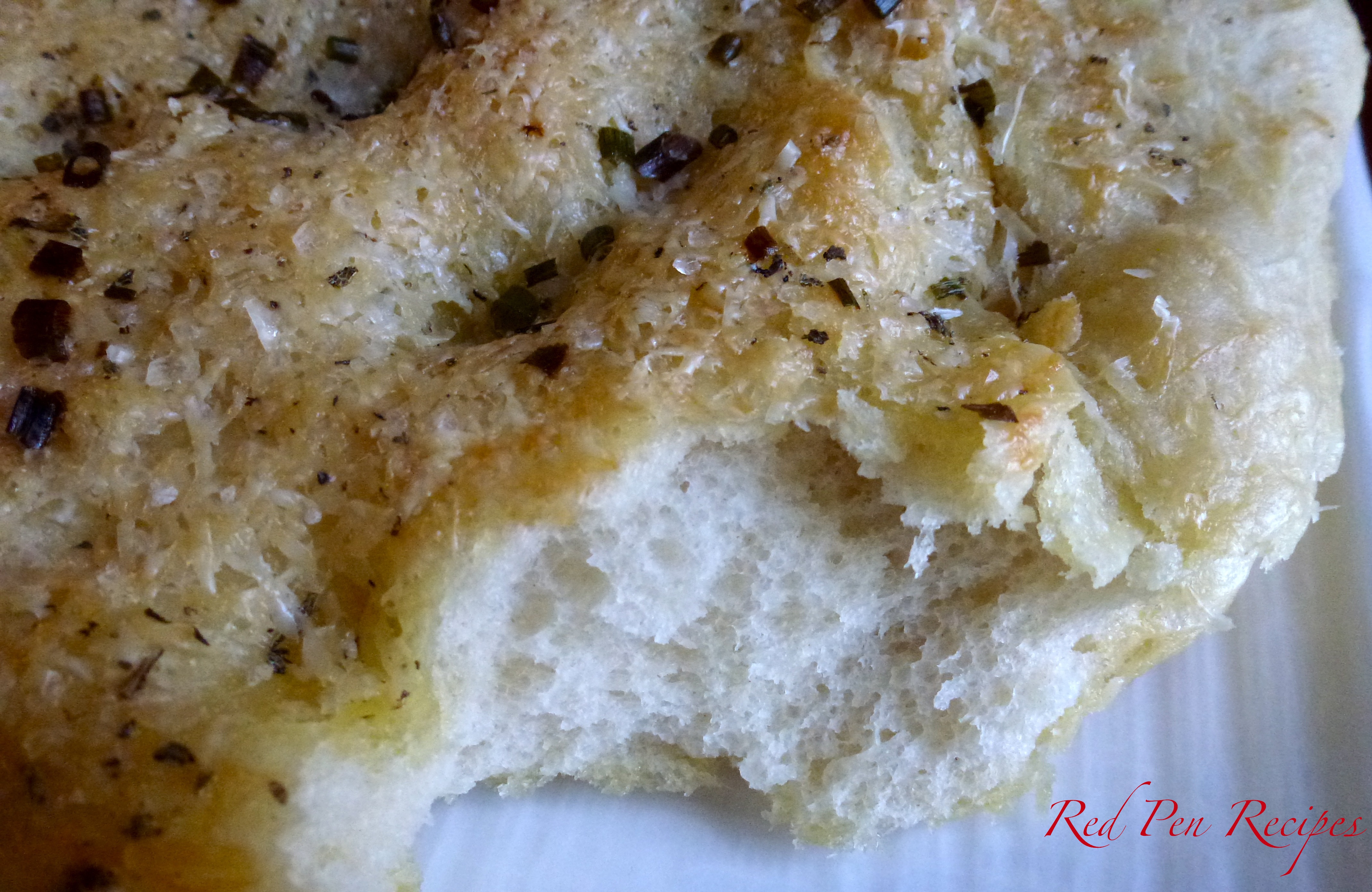
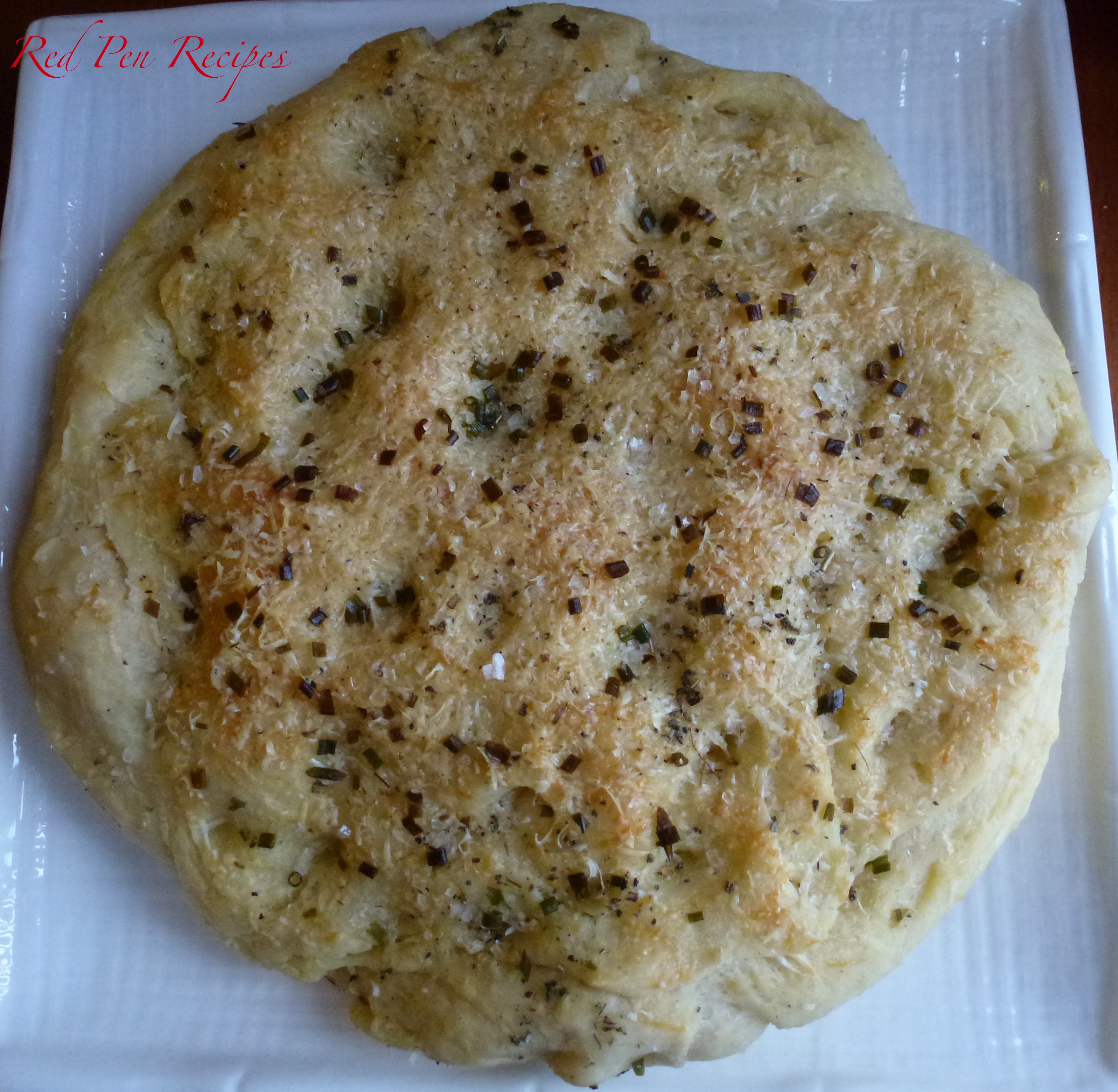
One of my favorite things about playing around in the kitchen is learning something new. I had been toying with the idea of trying focaccia for a couple weeks, but didn’t think I had the time to tackle something new. When I was making pizza dough using the recipe from the Joy of Cooking, I glanced at the next column on the page and saw a recipe for focaccia. As it turns out, focaccia is just pizza dough baked differently. I usually make half of the pizza dough recipe because I only need one pizza, but I decided to make the full version so I could use half for pizza and half for focaccia.

The first round I made had a tougher exterior than I expected. Then I realized I made the mistake of kneading it with the other half I used for the pizza dough. The bread was still good, but I wanted to see if I could achieve the softer texture. The next day, I made the dough again and stirred the ingredients just until they were combined, without kneading. This time around, I decided to try different toppings on each round. I topped one with Italian cheeses, slices of fresh tomato and sea salt; and the other with a couple cheeses, table salt and a bit of white truffle oil. They baked quite nicely and were softer than my first go-around, but still had a stiffer top crust than I expected. Next time I might try topping it with caramelized onions and bleu cheese and adding more olive oil on top to see if that helps soften the top of the bread a little more.

Now that I know how simple it is, I’ll definitely be baking this bread again. Why buy it from the store when you can have it fresh out of the oven?

foccacia081113-2Ingredients
1 1/2 cups warm water
1 package active dry yeast
3 1/2 to 3 3/4 cups all-purpose flour
2 tablespoons olive oil
1 tablespoon salt
Up to 1/2 cup of olive oil
2 tablespoons grated cheese, such as Parmesan or Asiago
1 teaspoon herbs, such as chives, sage and basil
1/4 teaspoon sea salt

Combine warm water and yeast in a bowl and let sit until the yeast is dissolved, or about 5 minutes.

Add flour, 2 tablespoons of olive oil and salt. Mix by hand or on low speed for about 1 minute. Divide dough in half and roll each piece out to a 1/2-inch thick round. Transfer to well-oiled 8- or 9-inch round cake pans or square baking pans. Let rise, covered with oiled plastic wrap, for 1 1/2 hours.

Preheat the oven to 400 degrees F. Ten minutes before baking, press the dough with your fingertips to make indentations all over the dough. Drizzle with up to 1/2 cup olive oil. Top with cheese, herbs and sea salt.

Bake until golden brown, about 20 minutes. Remove from the pans to a rack. Serve warm or at room temperature, as is, or sliced open horizontally to use as a sandwich bread.

Vanilla ice cream ready for scooping

1Vanillaicecream072813

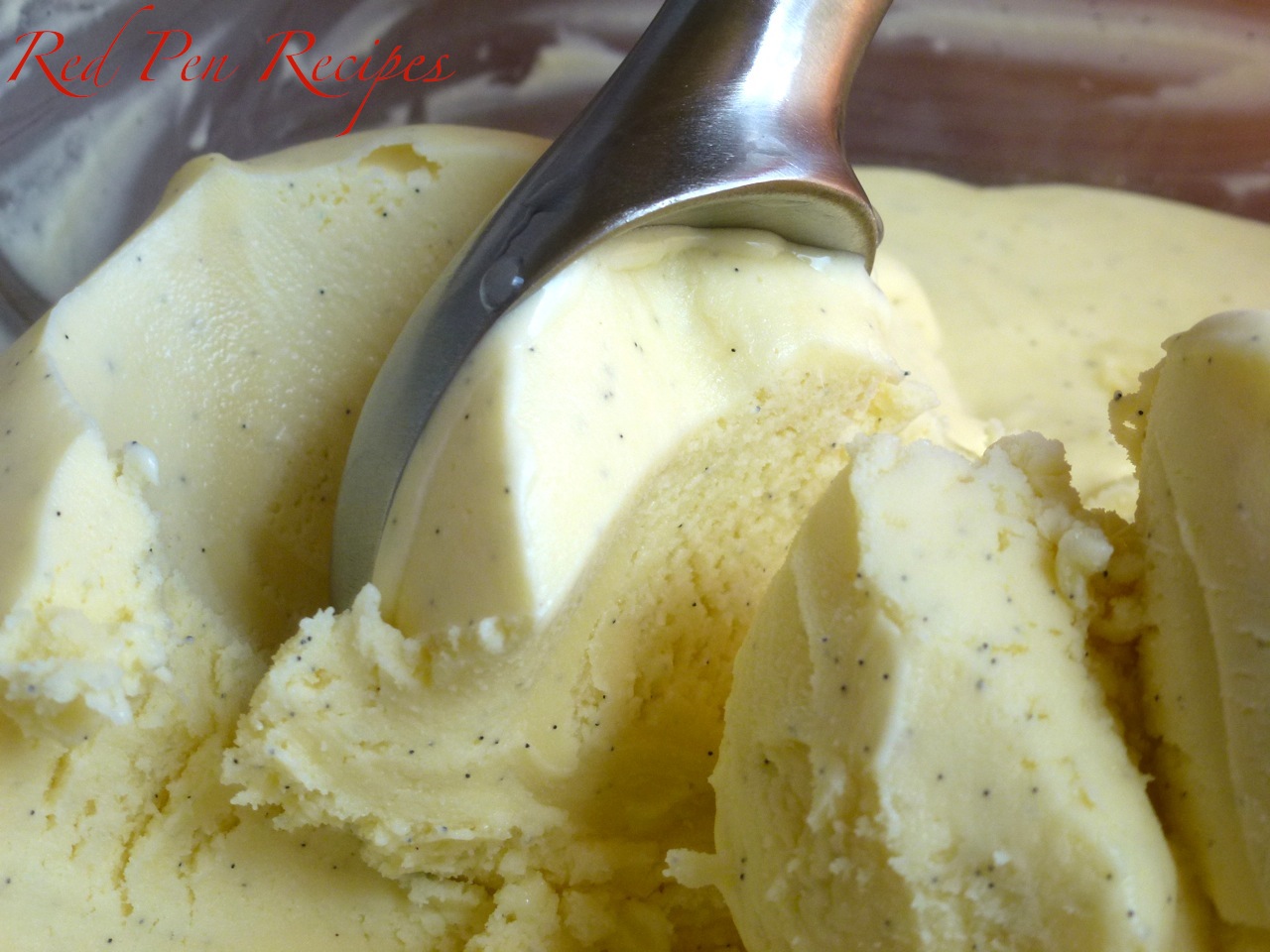
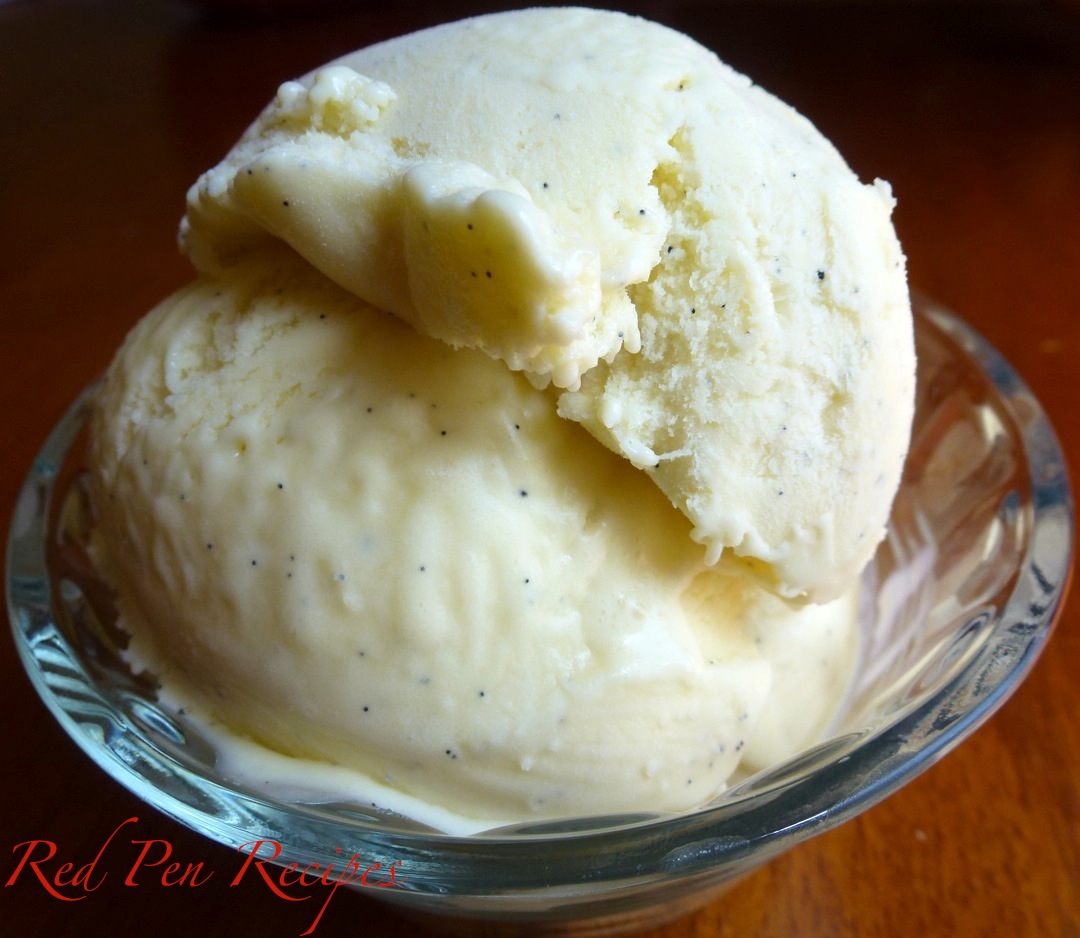
I have finally made scoopable ice cream. Those of you who read my blog regularly know this is something I’ve been struggling with for a couple months now, so I was thrilled when the latest edition of Bon Appétit showed up with ice cream on the cover.

One of my best friends from college randomly decided to visit this weekend. I hadn’t seen her in about five years, so I was really looking forward to the visit. Which also meant I was thinking about what I could have for her when she arrived. I decided to give a new ice cream recipe a chance.

When tackling a new kind of dessert, I like to find a great base recipe before I really start experimenting with flavors. It turns out that can be a tricky task when it comes to ice cream. But, after trying about five different recipes, Bon Appétit’s True Vanilla Ice Cream was the winner.

I have to admit that when I finished the custard mixture, I was a little nervous about how it would turn out. The custard was thinner than the custard other recipes produced. But I think that’s why this recipes works. Instead of getting a dense frozen custard after putting it through the ice cream maker, you get a nice, flavorful — and, most importantly, scoopable — ice cream.

I’m really happy with the way this ice cream turned out. Now I feel confident that I can start trying more flavors.

2Vanillaicecream072813Ingredients
1 1/2 cups heavy cream
1 cup whole milk
1/2 cup sugar
Pinch of kosher salt
1 vanilla bean or 1 teaspoon vanilla extract
5 egg yolks

Combine heavy cream, whole milk, 1/4 cup sugar and salt in a medium saucepan. Split vanilla bean lengthwise and scrape in seeds; add pod (or use 1 teaspoon vanilla extract). Bring mixture just to a simmer, stirring to dissolve sugar. Remove from heat. If using vanilla bean, cover; let sit 30 minutes.

Whisk 5 large egg yolks and 1/4 cup sugar in a medium bowl until pale, about 2 minutes. Gradually whisk in 1/2 cup warm cream mixture. Whisk yolk mixture into remaining cream mixture. Cook over medium heat, stirring constantly, until thick enough to coat a wooden spoon, 2 to 3 minutes.

Strain custard into a medium bowl set over a bowl of ice water; let cool, stirring occasionally. At this point, you can transfer the mixture to a bowl and cover it by putting plastic wrap directly on the top of the custard. It can cool overnight in the fridge and be processed in the morning.

Process custard in an ice cream maker according to manufacturer’s instructions. Transfer to an airtight container; cover. Freeze until firm, at least 4 hours and up to 1 week.

Summer stone fruit serves as a sweet topping

Apricotmuffins1

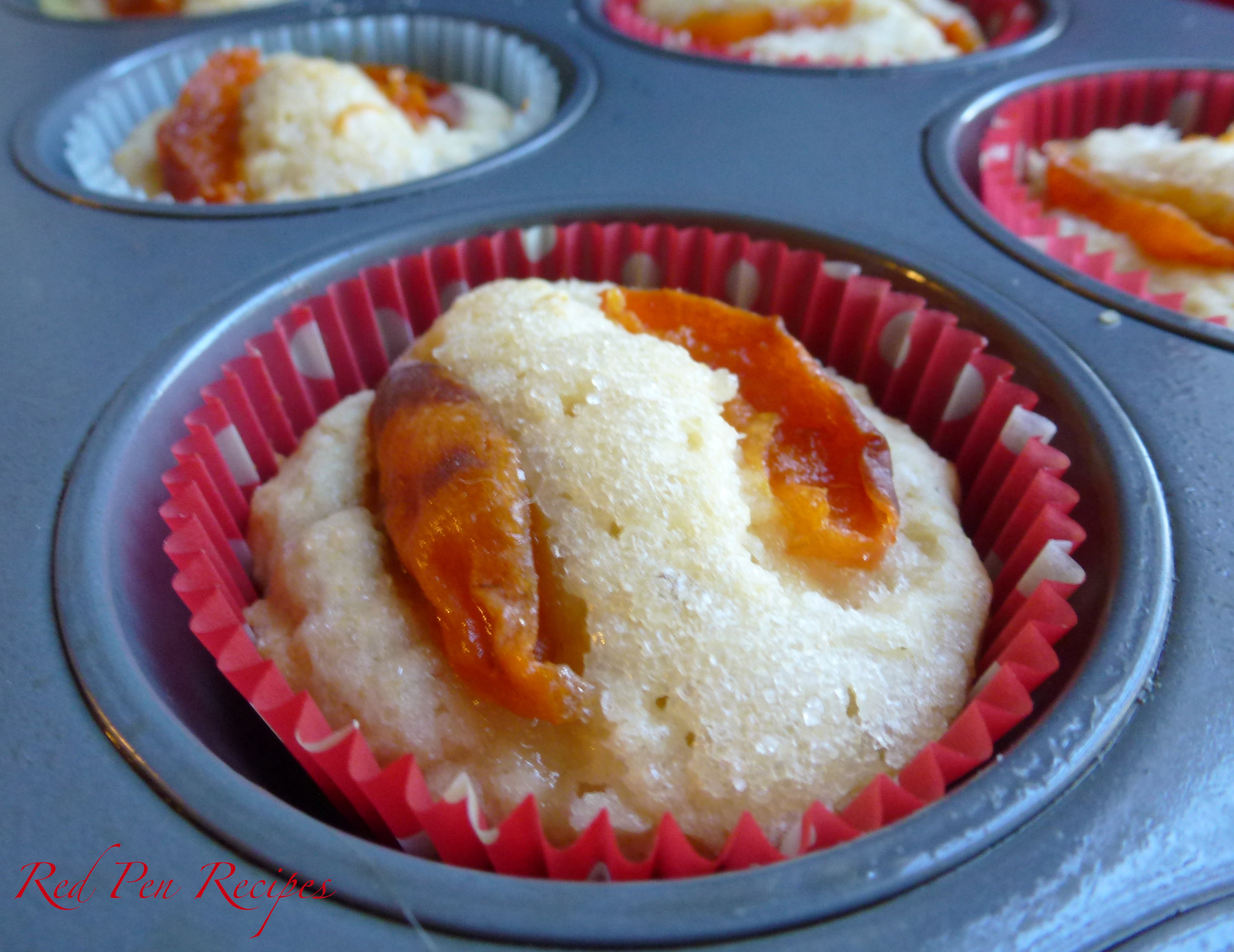
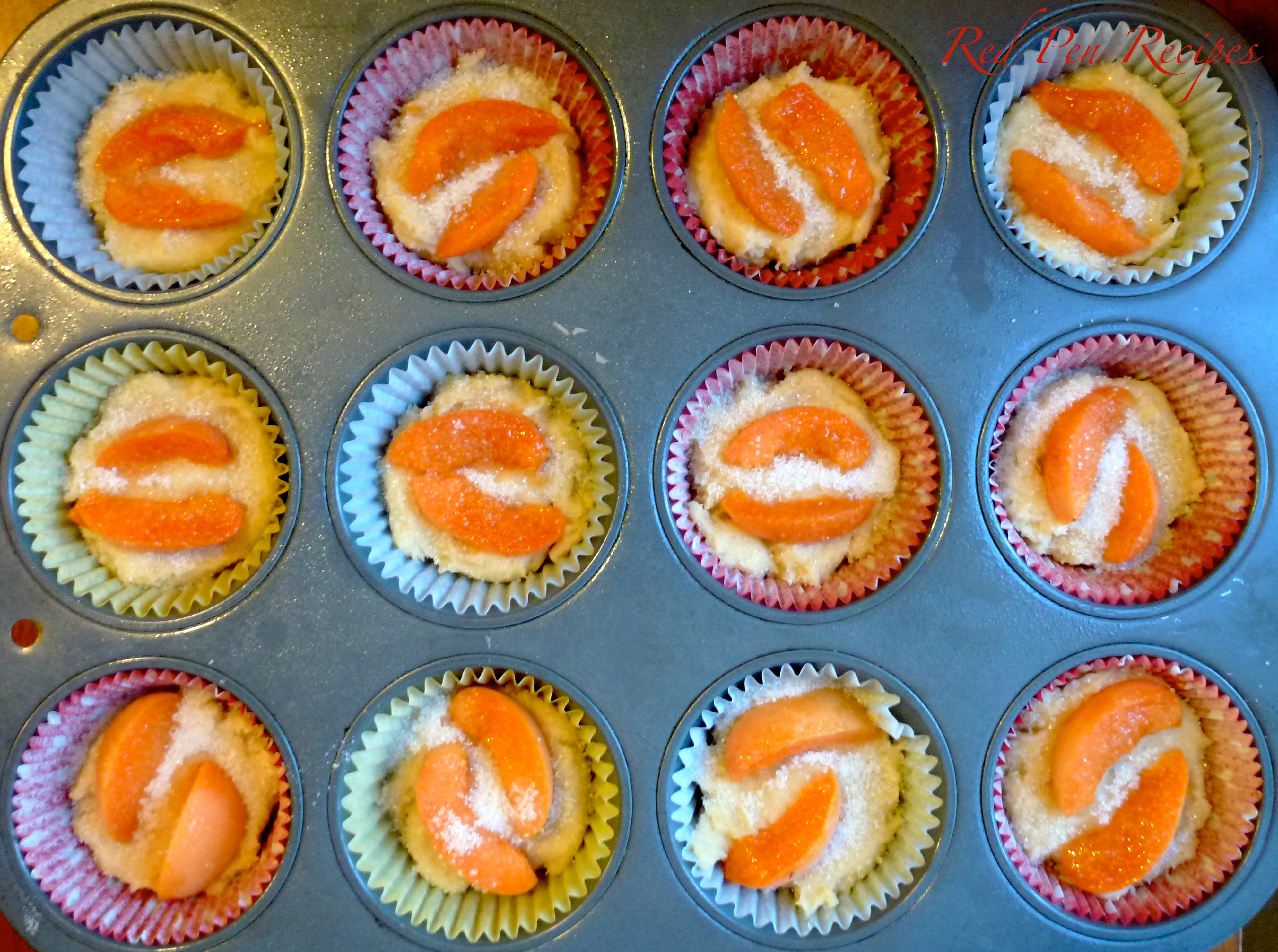
Apricots are in season, and I love to use them in baked goods. I purchased a few ambercots at the farmers market a few weeks ago. Though they were delicious raw, I couldn’t eat them quickly enough, so I needed to find a recipe to use for the three I had left. Lucky for me, a recent edition of Bon Appétit contained a recipe for little apricot cakes.

As with most cakes, these proved to be a challenge at high altitude. Adding a couple tablespoons of flour usually helps keep cakes from sinking but, in this case, it made them more dense and muffin-like instead of being light like cakes. Next time I make these, I’ll stick to the original flour measurement and beat it for a shorter amount of time so the batter isn’t as stiff. Apricotmuffins2

I enjoyed the sweetness and slight tart flavor of the apricots on top. They provided a nice contrast to the lemony cake beneath them. The raw sugar sprinkled on top created a nice, sugary crust once they had cooled. They’re a nice summertime treat.

Ingredients
Nonstick vegetable oil spray
1 cup all-purpose flour
1 1/2 teaspoons baking powder (use 1 teaspoon if at high altitude)
1/4 teaspoon kosher salt
6 tablespoons (3/4 stick) unsalted butter, room temperature
1/3 cup sugar
1 large egg
1 teaspoon finely grated lemon zest
1 teaspoon vanilla extract
1/3 cup whole milk
2 apricots, halved, pitted, cut into 1/4-inch wedges
2 tablespoons raw sugar

Preheat oven to 350 degrees F. Coat muffin cups with nonstick spray. Whisk flour, baking powder and salt in a medium bowl.

Using an electric mixer, beat butter and sugar in another medium bowl, occasionally scraping down sides of bowl, until light and fluffy, about 2 minutes. Add egg, lemon zest and vanilla and beat until combined.

With mixer on low speed, add dry ingredients in 3 additions alternately with milk in 2 additions, beginning and ending with dry ingredients. Divide batter among muffin cups (cups will be only 1/3 full) and smooth tops. Top with apricot slices and sprinkle with raw sugar.

Bake until cakes are golden and a tester inserted into the centers comes out clean, 20–25 minutes. Transfer pan to a wire rack; let pan cool 5 minutes. Transfer cakes to rack and let cool completely.