Just add chocolate for a more decadent muffin

doublechocolatemuffins1

I was craving chocolate last week. When I started thinking about what I should bake, those giant chocolate muffins from Costco came to mind. Except I didn’t want a muffin the size of my hand. I wanted little noshes I could keep on hand for a little while. Because “The Joy of Cooking” has my go-to muffin recipe, I thought I’d see what I could find in the way of chocolate muffins.

Baked goods with melted chocolate can be difficult to make at high altitude. In my experience in the year I’ve been here, I’ve found such treats are one of the most susceptible to collapsing during the baking process. I’ve had the outside cook and crisp before the inside fully cooks. I’ve also had the centers cave in. It has been a learning process. doublechocolatemuffins2

I couldn’t have asked for these to turn out any better than they did. The batter had a slightly stiff quality to it, which ultimately seemed to help them turn out well. I’ve also learned to spray the paper muffin cups with cooking spray so the muffins won’t stick to them. These are a decadent muffin that can either be a rich breakfast or a dessert for later in the day. Next time I’m craving chocolate muffins, this will be my go-to. No more searching for a better recipe.

Ingredients
2 ounces unsweetened chocolate
1 3/4 cups all-purpose flour
1 teaspoon baking soda (use 1/2 teaspoon if at high altitude)
1/4 teaspoon salt
1 cup buttermilk
1 teaspoon vanilla
1/2 cup (1 stick) butter, softened
1 cup packed light brown sugar
1 egg
1 cup chocolate chips

Melt chocolate and let cool.

Whisk flour, baking soda and salt together in a separate bowl. Set aside.

Combine buttermilk and vanilla in a small bowl. Set aside.

Beat butter in a large bowl until creamy. Gradually add and beat in brown sugar until lightened in color and texture, 4 to 5 minutes. Add egg and beat until mixed. Beat in the chocolate just until blended. Add the flour mixture in three parts, alternating with the buttermilk mixture in two parts, beating on low speed or stirring with a rubber spatula until smooth and scraping the sides of the bowl as necessary.

Stir in chocolate chips. Divide the batter among the muffin cups. Bake until a toothpick inserted in 1 or 2 of the muffins comes out clean, 25 to 30 minutes. Let cool for 2 to 3 minutes in the pan before removing to cool completely on a rack.

Celebrating Easter with traditional Greek bread

GreekEasterbread

Most cultures have a special bread associated with religious holidays. St. Patrick’s Day has Irish soda bread, Christmas has stollen and Easter has Tsoureki Paschalino — Greek Easter bread.

I first saw a recipe for this sweet holiday bread in a San Francisco Chronicle food section in 2010. I liked the sound of the bread, but I didn’t want to make anything that produced three to four loaves and included a hard-to-find ingredient such as mahlepi, a fruity Greek spice. I opted to search for a more accessible version and found this.

Traditional versions of the bread call for cardamom and mahlepi, but I don’t like cardamom and mahlepi isn’t something most grocery stores carry. The version I made may be less traditional, but I had all the ingredients on hand and I enjoyed the flavor of the final product. I decided to make two 12-inch loaves instead of a 24-inch loaf so I could store one and serve the other one. Everyone enjoyed this sweet bread, especially warm with a bit of butter on it. It has a nice orange spice flavor and the egg adds a nice splash of color.

Regardless of what you eat today, I hope you have a happy Easter.

Ingredients
3 to 3 1/2 cups all-purpose flour
2 tablespoons sugar
1/2 package instant yeast
1/2 teaspoon salt
Zest of 1 large orange
Pinch of nutmeg
Pinch of cinnamon
1/2 cup milk whole milk, warmed to room temperature
1/2 stick (1/4 cup) unsalted butter, melted
2 large eggs, beaten slightly; set 1 tablespoon aside for glazing
1 tablespoon fresh orange juice
1/2 teaspoon vanilla

In a large mixing bowl, thoroughly combine 3 cups flour, sugar, yeast, salt, zest, nutmeg and cinnamon.

In another large bowl or the bowl of a stand mixer combine milk, butter, all but 1 tablespoon of eggs, orange juice and vanilla. Add flour mixture and combine well using a large spoon or the paddle attachment on the stand mixer.

If mixing by hand, scoop dough out onto a well-floured surface and knead for at least 15 minutes. Adding more flour if needed.

If using a stand mixer, swap to the dough hook. Knead for at least 10 minutes at medium speed, adding more flour as needed to keep the dough from becoming too sticky, although it will be somewhat tacky if kneaded in a mixer. Scoop dough onto a lightly floured surface.

Form dough into a ball by folding edges into the center, turning over and forcing into a ball shape using your palms and fingers to shape.

Clean and dry the largest bowl, then spray lightly with cooking spray. Place dough, seam-side down, in bowl and spray top lightly with oil. Cover bowl with plastic wrap and let rise until doubled in bulk — 1 1/2 to 2 hours.

Once the dough has risen, punch it down and scoop onto a lightly floured surface. Knead by hand for 3-5 minutes.

Shape the dough into a rope 24 inches long, fold in half, and braid. If you wish, place dyed, uncooked eggs in center of the fold before braiding. They’ll end up perfectly hard-cooked but difficult to peel.

Place the loaf on a greased cookie sheet or baking pan, spritz lightly with oil, and cover with plastic. Let rise until doubled in bulk — 1 1/2 to 2 hours. Thirty to 45 minutes before dough has completely risen, heat oven to 350 degrees.

Make an egg wash using the remaining egg and one tablespoon of water. Brush loaf with the wash. Bake for 30 minutes until golden brown. You can tell the bread is done in the center by tapping the top of the loaf. If it sounds hollow, the loaf is finished. Cool on a rack.

Angel food cake for all altitudes

angelfoodcake1

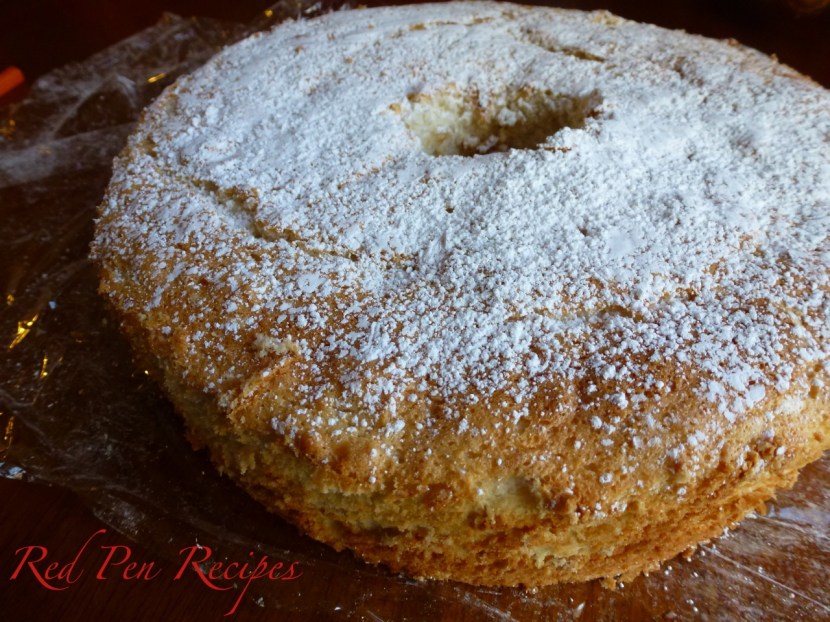
Angel food cake is characterized by its light, airy quality. The batter is a carefully crafted foam scooped into a tube pan, rather than a typical cake batter that can be poured into a normal cake pan. And it takes a lot of care to get it right.

The first time I made angel food cake was about four years ago. I had a lot of leftover egg whites and wanted to find something in which to use them. Two weeks ago, I found myself in a similar situation. I remembered the angel food cake recipe in The Joy of Cooking and pulled out my well-loved copy of the book. It’s such a delicate cake that Joy has a separate recipe for high altitude.

Taking the time to follow the instructions from the beginning until you’re ready to take the first bite will be worth it to get the angel food cake to its proper consistency. I tend to ignore many recipes that require sifting, but it’s entirely necessary to achieve the light quality of this cake. All of the ingredients must be at room temperature as well. Cold egg whites will result in a more dense cake. It’s crucial that you follow instructions to fold ingredients into the mix because stirring will break down the foamy quality of the batter. With the high-altitude recipe, make sure to cut the batter with knife as the recipe instructs, because any larger air bubbles will put your cake at greater risk of collapsing. When cooling the cake, be sure to turn the pan upside-down so it doesn’t settle and become dense. Turning it upside-down helps it keep its spongey quality.

I’ve made the cake three different times using three different extracts — orange, almond and vanilla — but never all at once. I wasn’t a fan of the orange-flavored cake, but the vanilla and almond extract versions were good. Still, I prefer to use the classic combination of vanilla and almond extract.

I’ve made this cake at sea level and at high altitude. Because the recipes are so different, I’ve included both of them below. The first is for high altitude and the second is not. As you can see, the process for each is different. I’ve had success with each version. Additional modifications may be required if you’re at an altitude higher than 10,000 feet. If you’re lower than that, one of these will work.

This is a nice cake to enjoy with tea, cream, berries or just by itself.

Ingredientsangelfoodcake2
1 cup plus 2 tablespoons sifted cake flour
1/2 cup sifted confectioners’ sugar
1 1/2 cups egg whites
1 1/2 teaspoons cream of tartar
1/2 teaspoon salt
3/4 cup sugar
2 teaspoons vanilla extract
1 teaspoon almond or orange extract
2 tablespoons water
Confectioners’ sugar

Preheat the oven to 375 degrees F.

Sift flour and sugar into a bowl and set aside.

In a large bowl, beat egg whites, cream of tartar and salt until foamy. Gradually add sugar and beat on high speed until soft, slightly droopy peaks form. Fold in extracts and water.

Add the dry ingredients one-quarter at a time, sifting them over the whites and gently folding them in, until no flour is visible. Scoop the batter into the tube pan. Cut through the batter once with a knife to burst any large air bubbles. Bake until a cake tester inserted in the center comes out clean, 25 to 30 minutes.

Let cake cool completely before frosting or wrapping airtight. If your pan has feet, turn it upside down and let cool for 1 1/2 hours. If it does not have feet, turn it upside-down on an inverted funnel or bottle to let cool. To remove the cake from the pan, slide a thin knife around the cake to detach it from the pan. Using the same procedure, detach the cake from the tube. If the pan has a removable bottom, pull the tube up to lift the cake from the pan sides. Slide the knife under the cake to detach it from the bottom.If the pan does not have a removable bottom, invert the pan and tap it against the counter to loosen the cake. Allow the cake to drop onto a rack or serving platter.

Cut the cake using a special cake comb or use a serrated knife and gently saw it. To avoid compacting the cake, do not apply a lot of pressure in a downward cutting motion.

(Angel food cake at regular altitude)
Ingredients
1 cup sifted cake flour
3/4 cup sugar
1/2 teaspoon salt
1 1/2 cups egg whites
1 tablespoon water
1 tablespoon fresh lemon juice
1 teaspoon cream of tartar
1 teaspoon vanilla
1/4 teaspoon almond extract
3/4 cup sugar

Preheat the oven to 350 degrees F.

Sift flour, sugar and salt together three times. Set aside.

In a large bowl, combine egg whites, water, lemon juice, cream of tartar, vanilla and almond extract and beat on low speed for one minute. Increase the speed to medium-high and beat until the mixture increased 4 1/2 to 5 times in volume and resembles a bowl of soft foam. The foam will hold a very soft, moist shape when the beaters are lifted. On medium-high speed, beat in sugar 1 tablespoon at a time, taking 2 to 3 minutes. When all the sugar has been added, the foam will be creamy white and hold soft, moist, glossy peaks that bend over at the points. Do not beat until stiff. If the mixer bowl is nearly full, transfer the mixture to a wide 4- to 6-quart bowl for easier folding. Sift a fine layer of the flour mixture evenly over the batter and fold gently with a rubber spatula only until the flour is almost incorporated. Do not stir or mix. Repeat seven more times, folding in the last addition until no traces of flour are visible. Pour the batter into the pan and tilt or spread to level the top. Bake until a cake tester inserted in the center comes out clean, 35 to 40 minutes.

Let cake cool completely before frosting or wrapping airtight. If your pan has feet, turn it upside down and let cool for 1 1/2 hours. If it does not have feet, turn it upside-down on an inverted funnel or bottle to let cool. To remove the cake from the pan, slide a thin knife around the cake to detach it from the pan. Using the same procedure, detach the cake from the tube. If the pan has a removable bottom, pull the tube up to lift the cake from the pan sides. Slide the knife under the cake to detach it from the bottom.If the pan does not have a removable bottom, invert the pan and tap it against the counter to loosen the cake. Allow the cake to drop onto a rack or serving platter.

Cut the cake using a special cake comb or use a serrated knife and gently saw it. To avoid compacting the cake, do not apply a lot of pressure in a downward cutting motion.

Brownies for any occasion

Germanchocolatebrownies1

Of all the desserts in the world, brownies are my favorite. They always have been, and probably always will be. While I have a couple go-to recipes, this is one I return to when I want to get a little fancy.

These German chocolate brownies look more complicated than they actually are. I got the recipe out of Good Housekeeping’s Favorite Recipes: Brownies! book, which I found years ago during one of my regular trips to Seattle. It was in a clearance pile on the basement floor of the the Barnes & Noble at the corner of Pine Street and Seventh Avenue. As someone who loves brownies, I couldn’t pass up the $4.99 price tag for a book that contained dozens of recipes for my favorite dessert. To this day, it’s one of my favorite cookbooks.

If you like chocolate, coconut and pecans, you’ll enjoy these brownies. When properly cooked, the brownie layer is fudgy, so it sticks to your teeth the slightest bit when you bite into one. The coconut layer browns during baking and adds a burst of flavor to the top. Together, the two make for a decadent treat that I’ve made time and time again.

When I first made these at high altitude, they didn’t turn out right. The brownie layer overcooked at the edges as I attempted to get the center to fully cook. The next time I made them, I added one-fourth cup cocoa powder, which turned out to be the perfect stabilizer. The brownies turned out just right. Thursday will mark one year since I moved to high altitude, and I’m happy to say I think I’m finally getting the hang of baking up here.

BrownieGermanchocolatebrownies2
1/2 cup butter
8 ounces semisweet or bittersweet baking chocolate
1 cup packed brown sugar
3 large eggs, lightly beaten
1 teaspoon vanilla extract
1 cup all-purpose flour
1/2 teaspoon salt
(If you’re at high altitude, add 1/4 cup cocoa powder)

Preheat oven to 350 degrees. Grease a 13-inch-by-9-inch pan.

To prepare the brownie, heat butter and chocolate in a 3-quart saucepan over medium-low heat until melted, stirring frequently. Remove saucepan from heat; stir in the brown sugar. Add eggs and vanilla; stir until well mixed. Stir in flour and salt just until blended. Spread batter evenly in prepared pan.

ToppingGermanchocolatebrownies3
3 large egg whites
2 cups sweetened flaked coconut
1 cup pecans, toasted and chopped
1/2 cup packed brown sugar
1/4 cup whole milk
1/2 teaspoon vanilla extract
1/8 teaspoon almond extract
1/8 teaspoon salt

To prepare the topping, beat egg whites with a wire whisk in a medium bowl until foamy. Stir in coconut, pecans, brown sugar, milk, vanilla and almond extracts and salt until well combined. Spread topping over batter.

Bake until toothpick inserted 2 inches from the edge comes out almost clean and topping turns golden brown, 45 to 50 minutes. Cool in pan on wire rack.

When cool, cut lengthwise into six strips, then cut each strip crosswise into six pieces.

Sweets for your sweethearts

alfojares1

Alfajores were not a cookie I went in search of, rather, they crossed my path online. And what a beautiful cookie it is. It’s a light, South American cookie held together by dulce de leche, which is like spreadable caramel. The dough is made from a combination of flour and cornstarch, which gives it a silky feel when being rolled out.

I didn’t know how easy it was to make dulce de leche until I tried this recipe, which requires pouring a can of sweetened condensed milk into a pie dish, sprinkling it with salt, covering it with foil, putting the whole thing in a water bath and baking it for a couple hours. That’s it. While it took more time than traditional caramel does to make, it was easier than watching the color of the sugar syrup change in a pan on the stove. Dulce de leche is the slightest bit grainy, but it’s spreadable, which is perfect for these cookies. I made the cookies before the dulce de leche, which was a good order to do it in if you’re doing it all in one day. If you plan to tackle the recipe in two parts on different days, do the dulce de leche first.

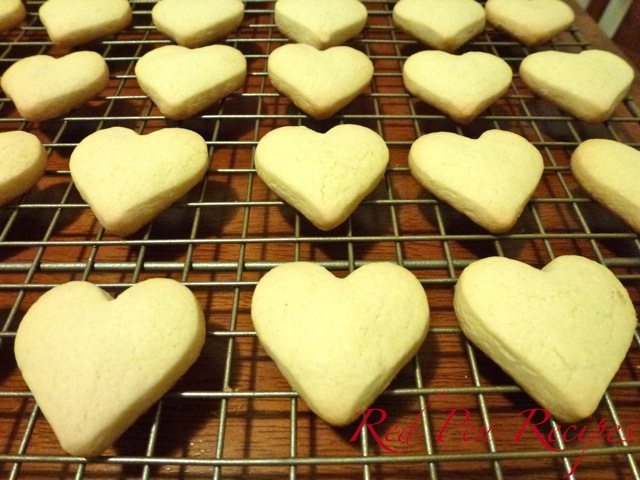
I opted to use a heart-shaped cookie cutter for these because I thought the cookies would be cuter, and festive for Valentine’s Day — plus, I don’t think sandwich cookies should ever be big. I like mine small and sweet, and these were perfect. They are labor-intensive and time-consuming to make, but are completely worth it.

Cookiesalfojares2
1 cup cornstarch
3/4 cup all-purpose flour, plus more as needed
1 teaspoon baking powder (use 1/2 teaspoon if you’re at high altitude)
1/2 teaspoon baking soda
1/4 teaspoon fine salt
8 tablespoons unsalted butter (1 stick), at room temperature
1/3 cup granulated sugar
2 large egg yolks
1 tablespoon pisco, brandy or cognac
1/2 teaspoon vanilla extract
1 cup dulce de leche, at room temperature (recipe below)
Powdered sugar, for dusting

Place the cornstarch, measured flour, baking powder, baking soda, and salt in a medium bowl and whisk briefly to combine; set aside.

Place the butter and sugar in the bowl of a stand mixer fitted with a paddle attachment. Mix on medium speed, stopping the mixer to scrape down the sides of the bowl once with a rubber spatula, until the mixture is light in color and fluffy, about 3 minutes. Add the egg yolks, pisco or brandy, and vanilla and mix until incorporated, about 30 seconds. Stop the mixer and scrape down the sides of the bowl. On low speed, gradually add the reserved flour mixture and mix until just incorporated with no visible white pockets, about 30 seconds.

Turn the dough out onto a piece of plastic wrap, shape it into a smooth disk, and wrap it tightly. Place in the refrigerator until firm, at least 1 hour.

Meanwhile, heat the oven to 350 degrees F and arrange a rack in the middle. Line 2 baking sheets with parchment paper and set aside.

Remove the dough from the refrigerator, unwrap it, and place it on a lightly floured work surface. Lightly flour the top of the dough. Roll to 1/4-inch thickness (the dough will crack but can be easily patched back together). Stamp out 24 rounds using a plain or fluted 2-inch round cutter, rerolling the dough as necessary until all of it is gone.

Place the cookies on the prepared baking sheets, 12 per sheet and at least 1/2 inch apart. Bake 1 sheet at a time until the cookies are firm and pale golden on the bottom, about 12 to 14 minutes. Or, if you make smaller cookies like I did, bake for about 8 minutes. (The cookies will remain pale on top.) Transfer to a wire rack to cool completely.

Flip half of the cookies upside down and gently spread about 2 teaspoons of the dulce de leche on each. Place a second cookie on top and gently press to create a sandwich. Dust generously with powdered sugar before serving.

Dulce de lechealfojares4
1 (14-ounce) can sweetened condensed milk
1/4 teaspoon fine salt

Heat the oven to 425 degrees F and arrange a rack in the middle.

Pour milk into a pie plate and sprinkle with salt. Cover tightly with aluminum foil and place in a roasting pan. Place the roasting pan in the oven and add enough hot tap water to reach halfway up the sides of the pie plate. Bake for 1 hour.

Remove the roasting pan from the oven and remove the pie plate. Carefully uncover the plate and whisk the mixture until smooth, about 1 minute. Replace the foil and return the pie plate to the water in the roasting pan. Place back in the oven, adding more hot water so that it remains halfway up the sides of the pie plate. Continue to bake until the dulce de leche is dark golden brown (about the color of peanut butter), about 1 1/2 hours more.

Remove from the oven and transfer the pie plate to a wire rack. Remove the foil and whisk the dulce de leche until smooth, about 3 minutes. Let cool to room temperature, then refrigerate in an airtight container with a tight-fitting lid for up to 1 week.