Elderflower liqueur makes a lovely cocktail

1elderflower081813

This week I discovered elderflower liqueur. Over the years, I’ve seen it mentioned in cookbooks or called for in drink recipes, but I’d never picked up any to try. I decided it was time to see what all the fuss was about.

I picked up a bottle of St-Germain, a brand of elderflower liqueur, which came with a small tag that included a recipe for its signature cocktail. I figured that was a good starting point. The liqueur itself is a slightly sweet, mellow alcohol. The St-Germain Cocktail was a bit sweet and a bit fizzy, without being too strong. It was a pretty light, refreshing drink fit for a hot day. Since I enjoyed that one so much, I decided to browse the St-Germain website to see if they had any other recipes. They have a few dozen, so I chose two others to try. I settled on The Gentleman, because I have cognac in the cupboard that I use for baking, and the Traditional Elderfashioned, because I keep a bottle of whiskey and bitters on hand. The Gentleman was sweeter and richer than the St-Germain Cocktail, but was also good. The Traditional Elderfashioned was stronger than both, and I enjoyed it as well.

So far, I’m three-for-three on drinks that use elderflower liqueur. They’re listed below in order from weakest to strongest. Next I’ll have to see what I can bake with the liqueur. Cheers!

2elderflower081813
The St-Germain Cocktail

2 parts Brut Champagne or Dry Sparkling Wine
1 1/2 parts St-Germain
2 parts club soda

Stir ingredients in a tall ice-filled Collins glass, mixing completely.

4elderflower081813

The Gentleman
1 part Spanish brandy or cognac
3/4 part St-Germain
1 cube brown sugar
2 dashes Angostura bitters
Top with Brut Rosé Champagne or Brut Sparkling Wine

Cover a brown sugar cube with Angostura bitters at the bottom of a Champagne flute and add brandy and St-Germain. Top with Champagne and garnish with a lemon twist.
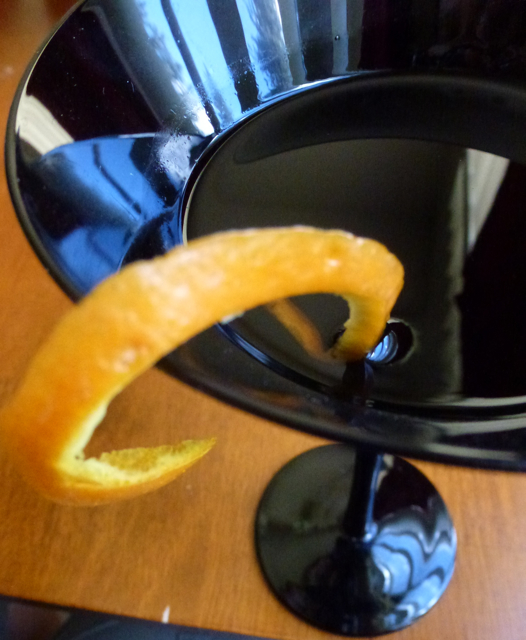
3elderflower081813Traditional Elderfashioned
2 parts bourbon or straight rye whiskey
1/2 part St-Germain
2 dashes Angostura bitters

Stir ingredients in an old fashioned glass, add ice and stir again. Add an orange twist.
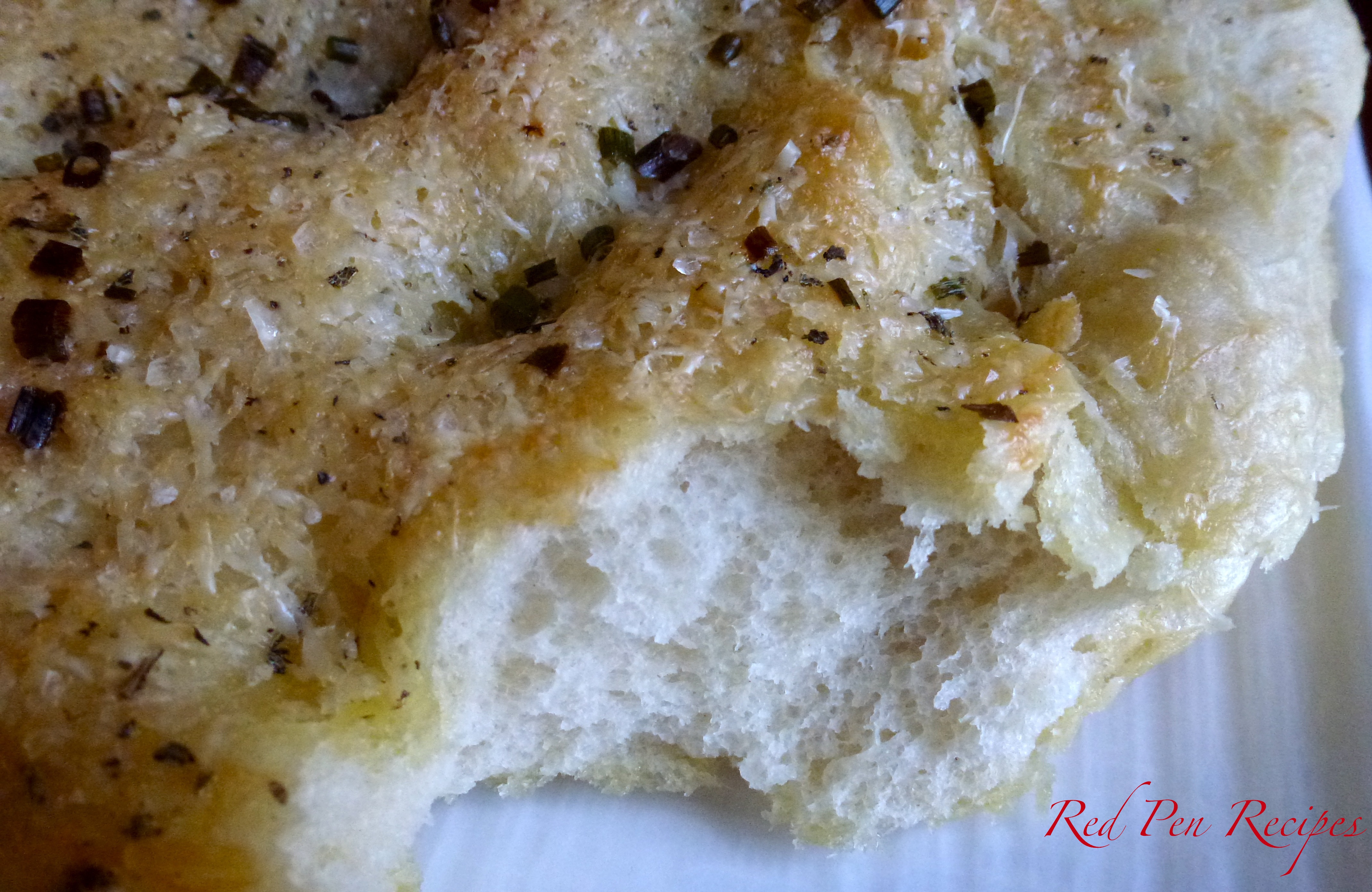
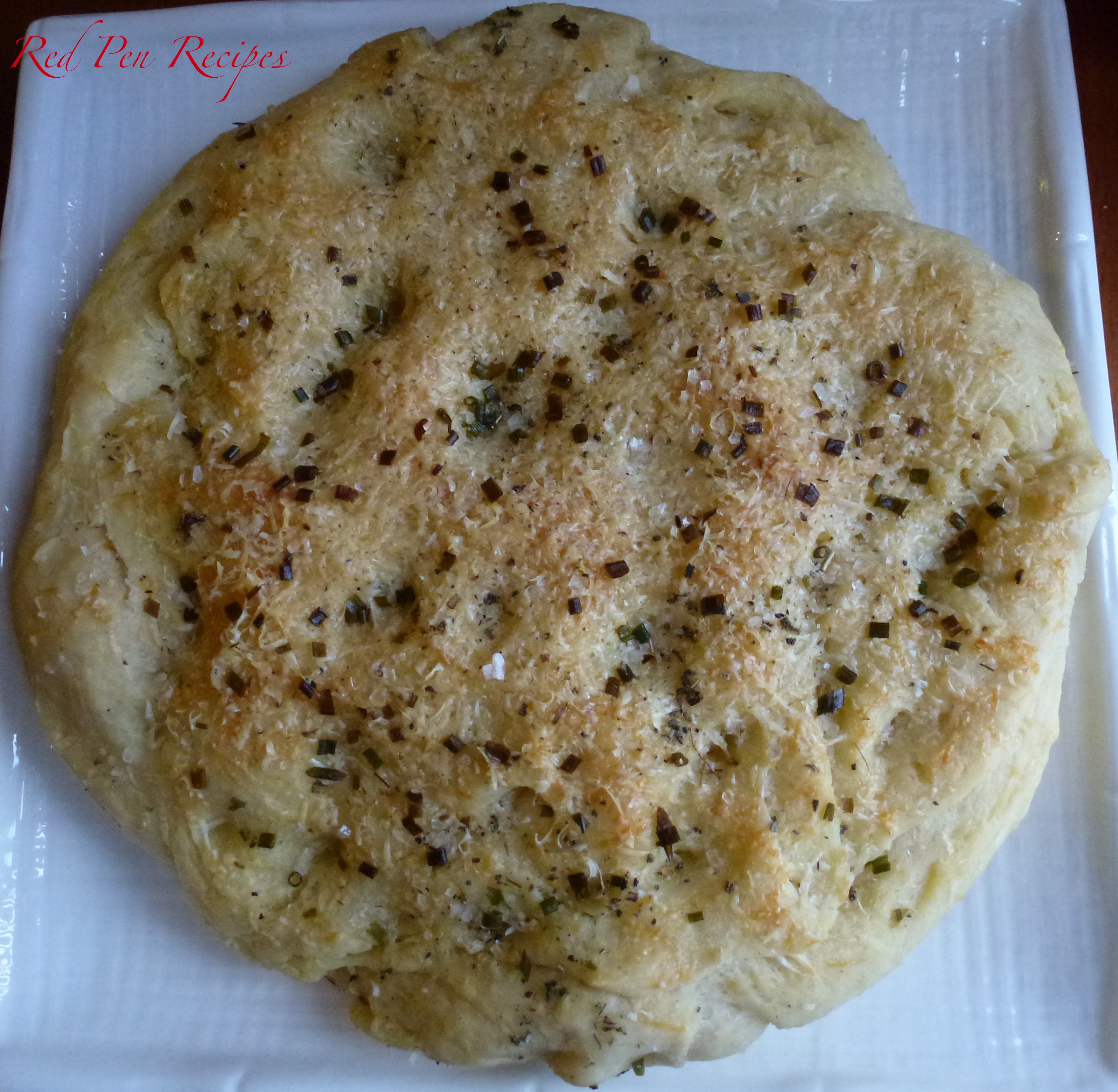
Focaccia fresh from the oven

foccacia081113

One of my favorite things about playing around in the kitchen is learning something new. I had been toying with the idea of trying focaccia for a couple weeks, but didn’t think I had the time to tackle something new. When I was making pizza dough using the recipe from the Joy of Cooking, I glanced at the next column on the page and saw a recipe for focaccia. As it turns out, focaccia is just pizza dough baked differently. I usually make half of the pizza dough recipe because I only need one pizza, but I decided to make the full version so I could use half for pizza and half for focaccia.

The first round I made had a tougher exterior than I expected. Then I realized I made the mistake of kneading it with the other half I used for the pizza dough. The bread was still good, but I wanted to see if I could achieve the softer texture. The next day, I made the dough again and stirred the ingredients just until they were combined, without kneading. This time around, I decided to try different toppings on each round. I topped one with Italian cheeses, slices of fresh tomato and sea salt; and the other with a couple cheeses, table salt and a bit of white truffle oil. They baked quite nicely and were softer than my first go-around, but still had a stiffer top crust than I expected. Next time I might try topping it with caramelized onions and bleu cheese and adding more olive oil on top to see if that helps soften the top of the bread a little more.

Now that I know how simple it is, I’ll definitely be baking this bread again. Why buy it from the store when you can have it fresh out of the oven?

foccacia081113-2Ingredients
1 1/2 cups warm water
1 package active dry yeast
3 1/2 to 3 3/4 cups all-purpose flour
2 tablespoons olive oil
1 tablespoon salt
Up to 1/2 cup of olive oil
2 tablespoons grated cheese, such as Parmesan or Asiago
1 teaspoon herbs, such as chives, sage and basil
1/4 teaspoon sea salt

Combine warm water and yeast in a bowl and let sit until the yeast is dissolved, or about 5 minutes.

Add flour, 2 tablespoons of olive oil and salt. Mix by hand or on low speed for about 1 minute. Divide dough in half and roll each piece out to a 1/2-inch thick round. Transfer to well-oiled 8- or 9-inch round cake pans or square baking pans. Let rise, covered with oiled plastic wrap, for 1 1/2 hours.

Preheat the oven to 400 degrees F. Ten minutes before baking, press the dough with your fingertips to make indentations all over the dough. Drizzle with up to 1/2 cup olive oil. Top with cheese, herbs and sea salt.

Bake until golden brown, about 20 minutes. Remove from the pans to a rack. Serve warm or at room temperature, as is, or sliced open horizontally to use as a sandwich bread.

Foodista’s Blog of the Day

Foodista is featuring Red Pen Recipes as its Blog of the Day today! I’m thrilled to receive the exposure!

Foodista Food Blog of the Day Badge

Beautiful broccoli shines in simple pasta dish

broccoliorecchiette080413

The farmers market continues to have a variety of impossible-to-resist produce — and I keep buying it. A few weeks ago, I picked up some beautiful broccoli from one of the booths. I wanted to make those most of it, so I started looking through my cookbooks for a suitable recipe.

Since it was a weeknight after work, I wanted something I could make in 30 minutes or less. I decided to try another recipe from the “Five-ingredient Fridays” chapter of Curtis Stone’s “What’s for Dinner?” The recipe, Orecchiette with Brown Butter, Broccoli, Pine Nuts, and Basil, called for ingredients I had on hand and didn’t require a lot of cleanup. After about 20 minutes, I ended up with a hearty, delicious vegetarian dish that was great comfort food after a long day at work. The broccoli flavor really came through when paired with a simple brown butter sauce, and the pine nuts added a nice crunch that provided great contrast to the the pasta.

Though I’m not a vegetarian, sometimes it’s just nice to make something that allows vegetables to be the star of the meal. I’m looking forward to making more dinners with more finds from the farmers market.

Ingredients
13 ounces broccoli florets with 1-inch stems (about 6 cups)
1 pound orecchiette
8 tablespoons (1 stick) unsalted butter
1/2 cup lightly packed fresh basil leaves, coarsely chopped
1/2 cup pine nuts, toasted
2 tablespoons fresh lemon juice
Kosher salt and freshly ground black pepper
Extra virgin olive oil, for serving

Bring a large pot of salted water to a boil over high heat. Add the broccoli and cook for about 2 minutes, or just until bright green. Using a mesh spoon or sieve, scoop the broccoli out of the water, draining it well, and transfer to a rimmed baking sheet. Set aside.

Return the water to a boil. Add the orecchiette and cook, stirring often to ensure it doesn’t stick together, for about 8 minutes, or until tender but still firm to the bite. Scoop out and reserve 1/2 cup of the pasta cooking water. Drain the orecchiette.

Meanwhile, heat a large heavy skillet over medium-high heat. Add the butter and stir for about 2 minutes, or until it has turned hazelnut brown. Add the broccoli and cook, stirring often, for about 1 minute, or until hot.

Add the pasta to the broccoli mixture and stir gently to combine. Stir in the basil, pine nuts, and lemon juice. Season to taste with salt and pepper. Stir in enough of the reserved cooking water to moisten the pasta as necessary.

Divide the pasta among four pasta bowls, drizzle with olive oil, and serve.

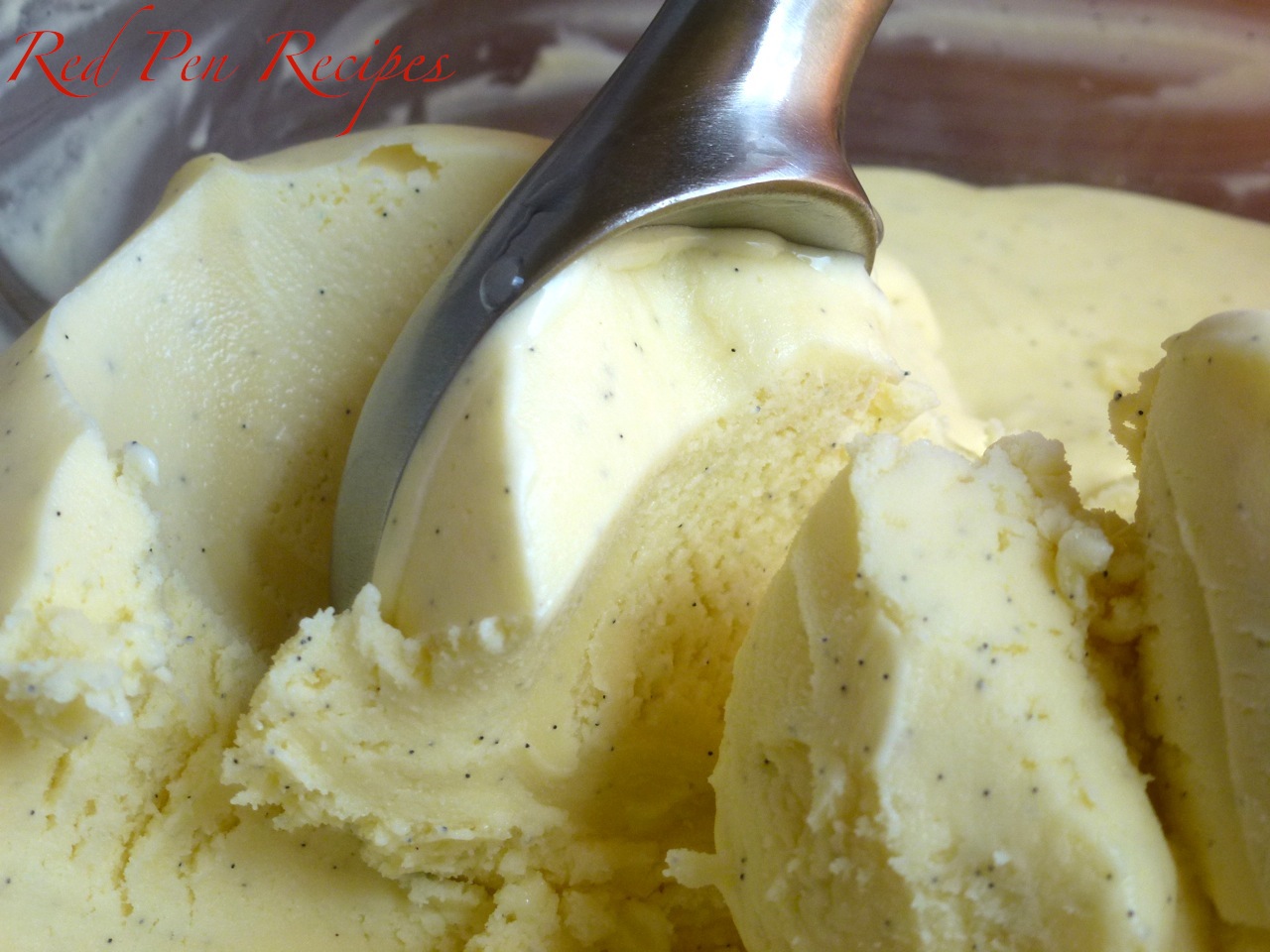
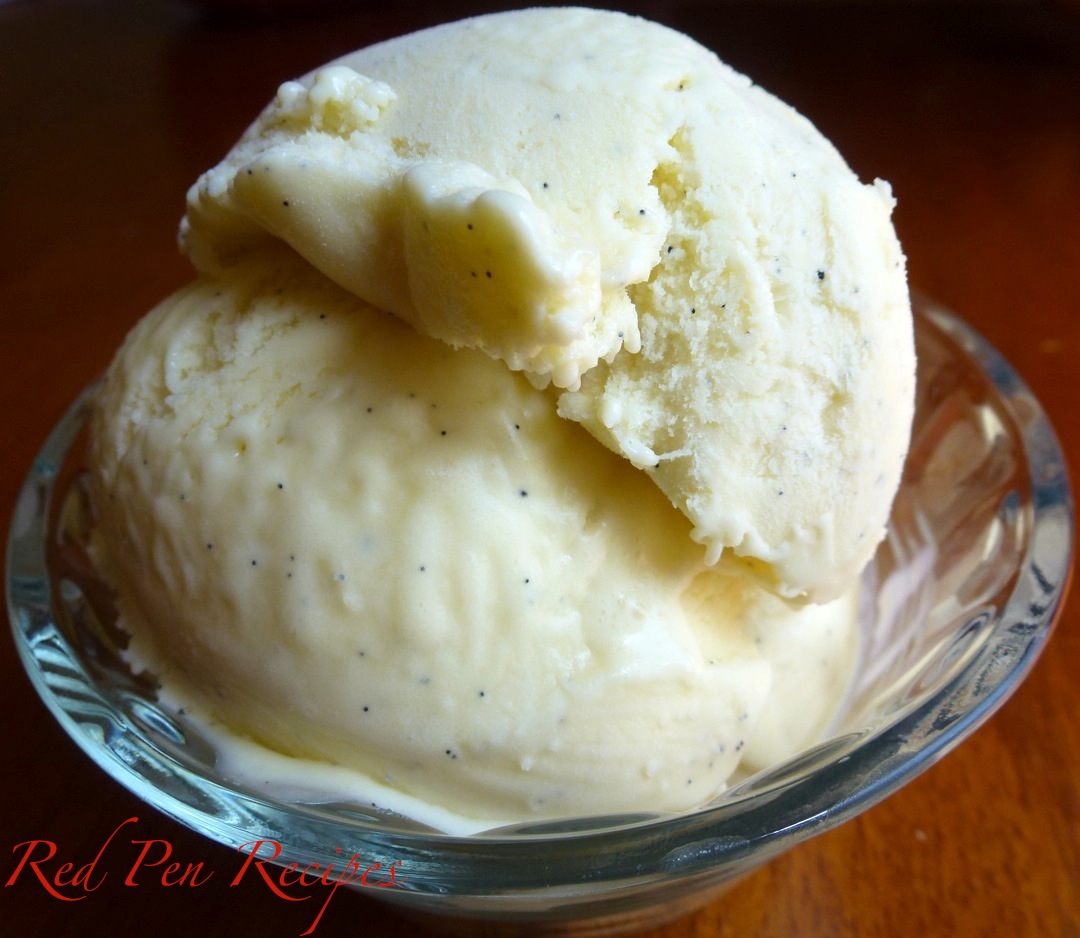
Vanilla ice cream ready for scooping

1Vanillaicecream072813

I have finally made scoopable ice cream. Those of you who read my blog regularly know this is something I’ve been struggling with for a couple months now, so I was thrilled when the latest edition of Bon Appétit showed up with ice cream on the cover.

One of my best friends from college randomly decided to visit this weekend. I hadn’t seen her in about five years, so I was really looking forward to the visit. Which also meant I was thinking about what I could have for her when she arrived. I decided to give a new ice cream recipe a chance.

When tackling a new kind of dessert, I like to find a great base recipe before I really start experimenting with flavors. It turns out that can be a tricky task when it comes to ice cream. But, after trying about five different recipes, Bon Appétit’s True Vanilla Ice Cream was the winner.

I have to admit that when I finished the custard mixture, I was a little nervous about how it would turn out. The custard was thinner than the custard other recipes produced. But I think that’s why this recipes works. Instead of getting a dense frozen custard after putting it through the ice cream maker, you get a nice, flavorful — and, most importantly, scoopable — ice cream.

I’m really happy with the way this ice cream turned out. Now I feel confident that I can start trying more flavors.

2Vanillaicecream072813Ingredients
1 1/2 cups heavy cream
1 cup whole milk
1/2 cup sugar
Pinch of kosher salt
1 vanilla bean or 1 teaspoon vanilla extract
5 egg yolks

Combine heavy cream, whole milk, 1/4 cup sugar and salt in a medium saucepan. Split vanilla bean lengthwise and scrape in seeds; add pod (or use 1 teaspoon vanilla extract). Bring mixture just to a simmer, stirring to dissolve sugar. Remove from heat. If using vanilla bean, cover; let sit 30 minutes.

Whisk 5 large egg yolks and 1/4 cup sugar in a medium bowl until pale, about 2 minutes. Gradually whisk in 1/2 cup warm cream mixture. Whisk yolk mixture into remaining cream mixture. Cook over medium heat, stirring constantly, until thick enough to coat a wooden spoon, 2 to 3 minutes.

Strain custard into a medium bowl set over a bowl of ice water; let cool, stirring occasionally. At this point, you can transfer the mixture to a bowl and cover it by putting plastic wrap directly on the top of the custard. It can cool overnight in the fridge and be processed in the morning.

Process custard in an ice cream maker according to manufacturer’s instructions. Transfer to an airtight container; cover. Freeze until firm, at least 4 hours and up to 1 week.